Lincoln, CA · Garage Door Service
Garage Door Repair for Lincoln Homes Built 1970 to 2007
Garage door repair in Lincoln, CA for homes built 1970-2007. Springs, openers, and tracks fixed by a local crew that knows this town's housing stock.
- Repairs & new doors
- Springs & openers
- Serving 5 nearby communities
What We Do
Garage door services in Lincoln
From a snapped spring to a full door replacement - repairs, springs, openers and new doors.

Garage Door Repair
Off-track doors, snapped cables, bent panels and grinding openers - diagnosed and fixed.
Learn more
Opener Installation
New openers sized to your door, wired, programmed and safety-tested.
Learn more
Off-Track Repair
Doors jumped the track re-set, aligned and re-tensioned so they run true.
Learn more
Cable Repair
Frayed or snapped lift cables replaced and balanced against the springs.
Learn more
Panel Replacement
Dented or cracked sections swapped for a match without replacing the whole door.
Learn more
Roller Replacement
Worn nylon or steel rollers replaced to kill the grinding and shaking.
Learn moreCommon Problems
Garage door problems we fix in Lincoln
A stuck or broken garage door can't wait. Call and tell us what the door is doing - a snapped spring, a frayed cable, a door off its track or an opener that won't respond - and leave a spring-loaded door closed until a tech has looked at it.
- Broken springs and snapped cables
- Doors off the track or stuck shut
- Opener, remote and sensor failures
- Noisy, slow or unsafe doors

Why Lincoln Calls Us
How we work on Lincoln garage doors
Safe spring work
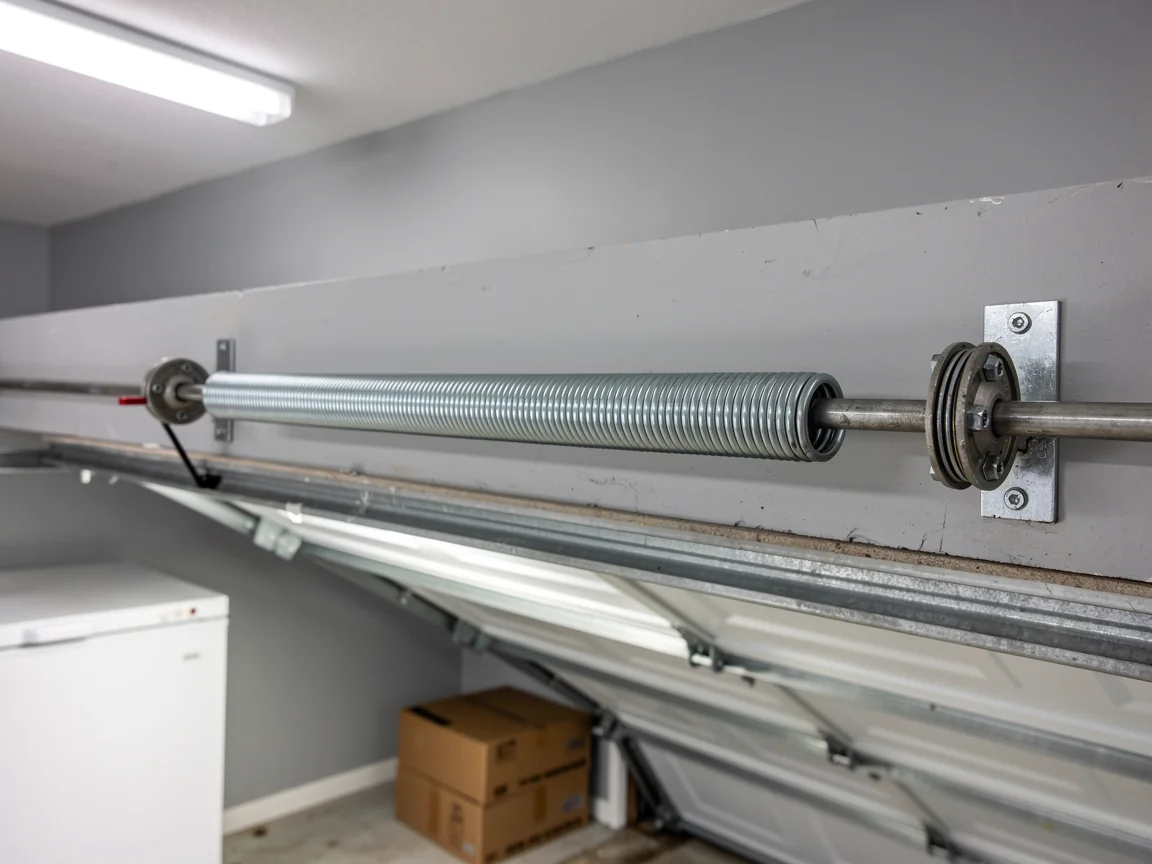
Torsion springs are wound with proper winding bars - never a do-it-yourself job.
Cause first, then the fix
The tech finds what failed - spring, cable, roller or opener - before recommending a repair.
We come to you
Service visits across Lincoln and nearby communities.
Repair or replace
For an older door you get a clear comparison of repairing it versus a new door.
Based in Lincoln
A Lincoln-based business you can reach directly by phone.
Call or book online
Call (916) 570-7599 or request a quote online.
How It Works
Getting your door fixed is simple
Tell us the symptom
Call or request a quote and describe what the door is doing - noise, off-track, won't open.
On-site diagnosis
A tech inspects the springs, tracks, opener and panels and gives you a written price first.
Repaired or installed
Most repairs are done on the same visit; installs are scheduled around you.
Our Work
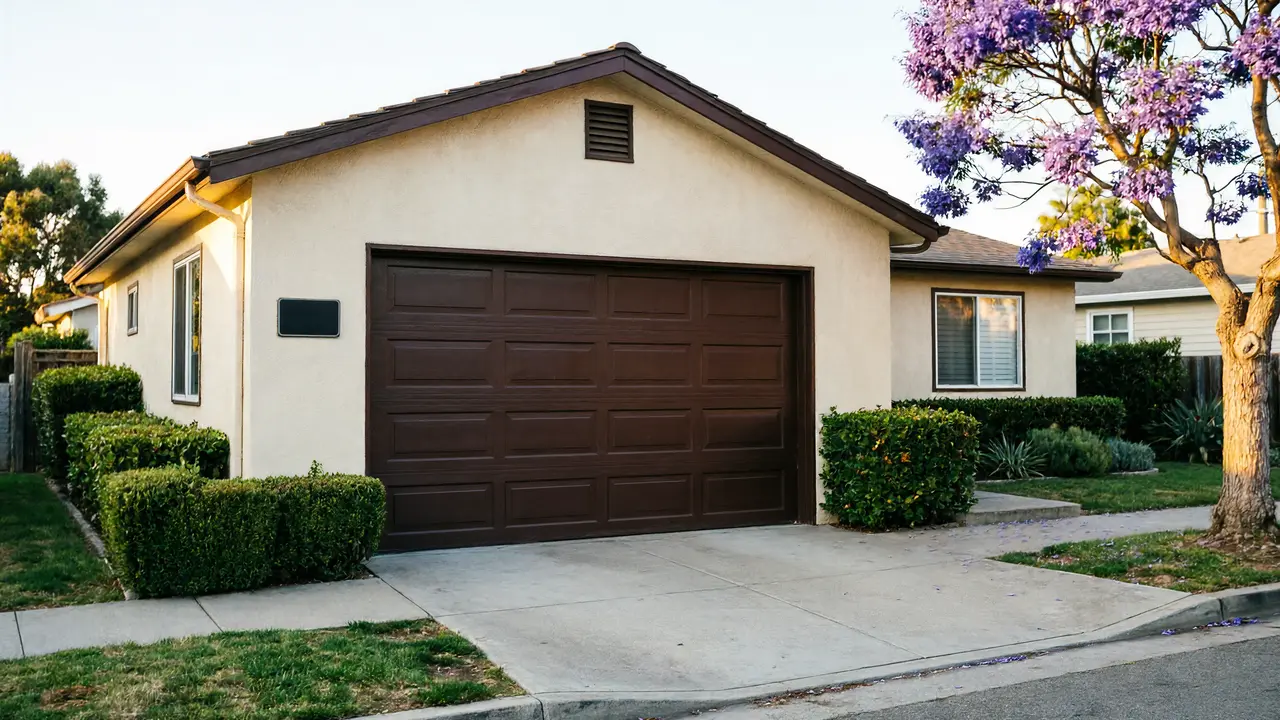
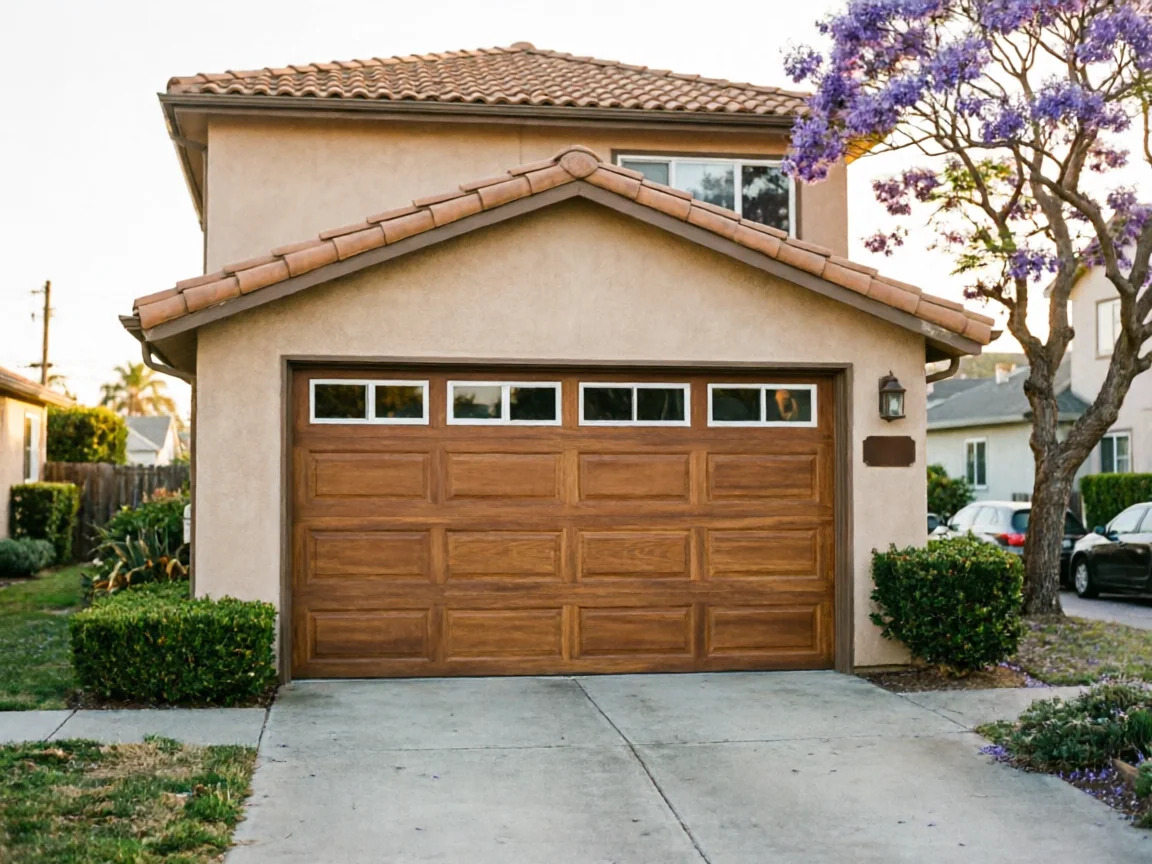
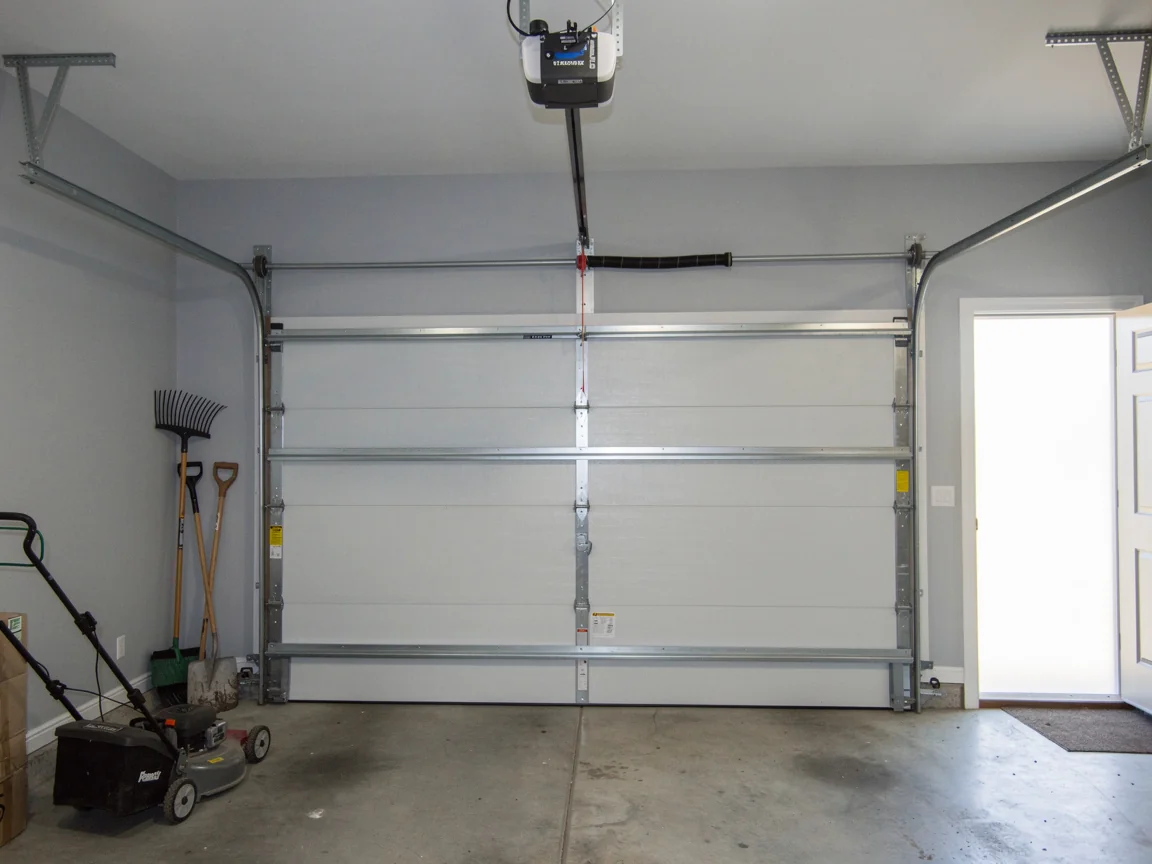
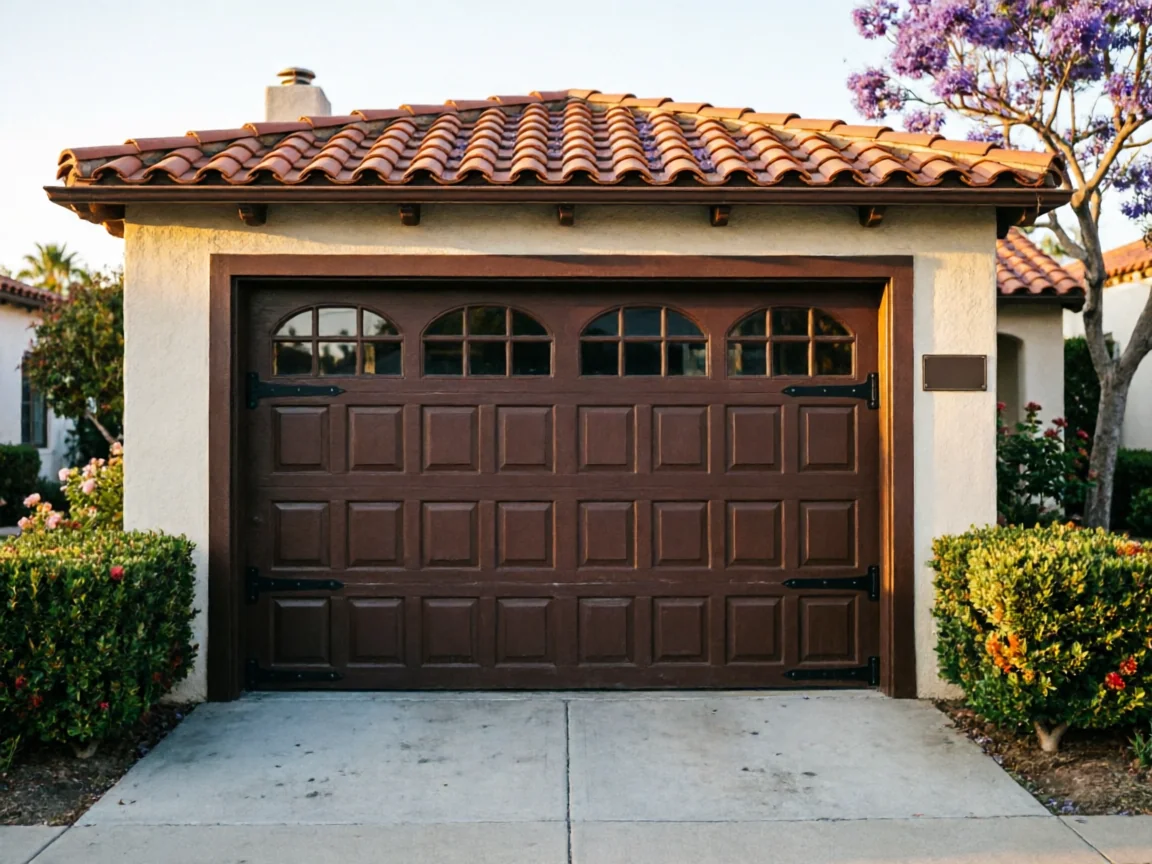
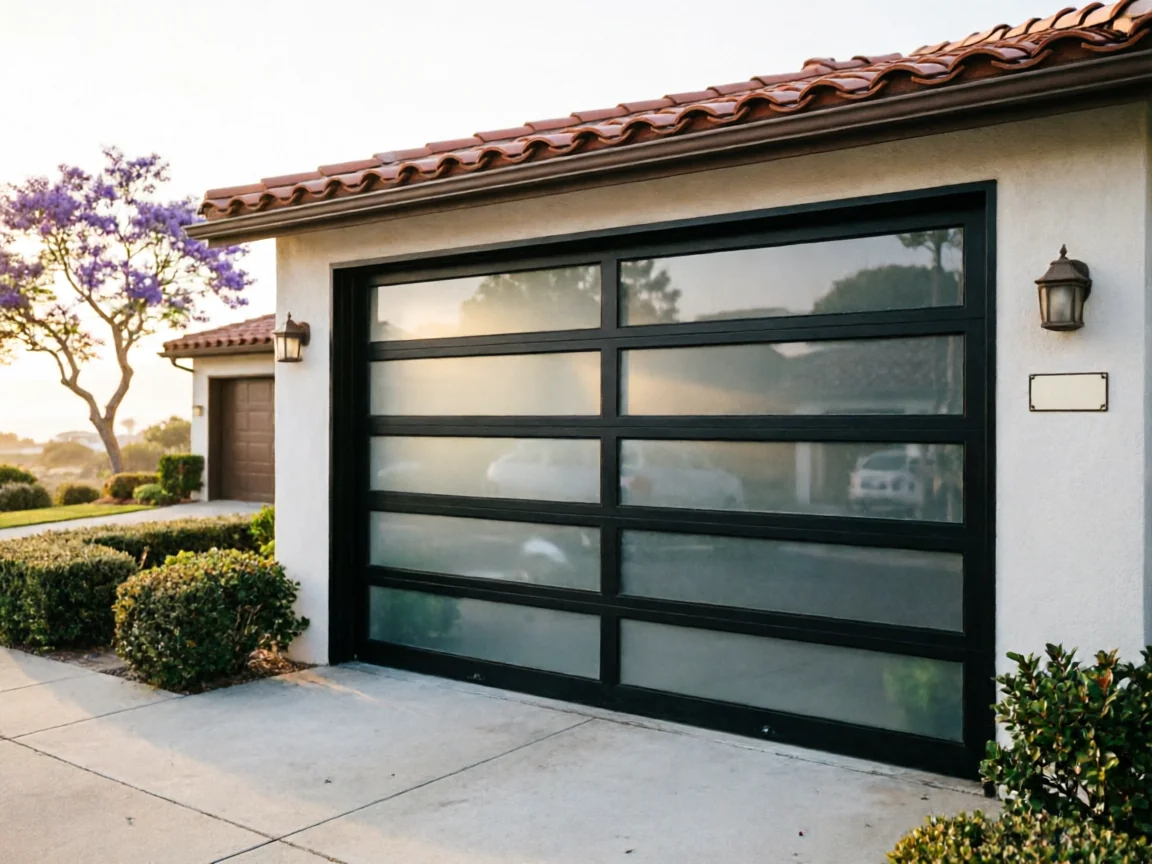
Recent garage door projects in Lincoln
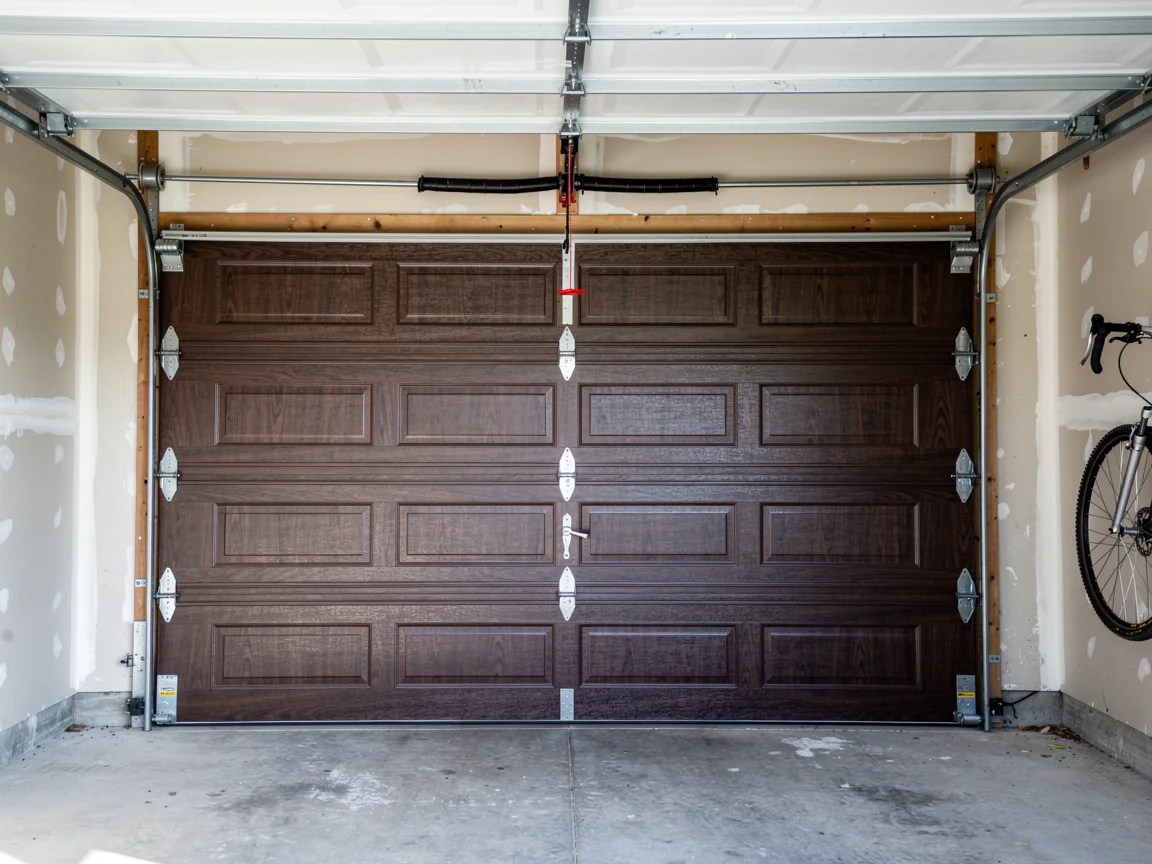
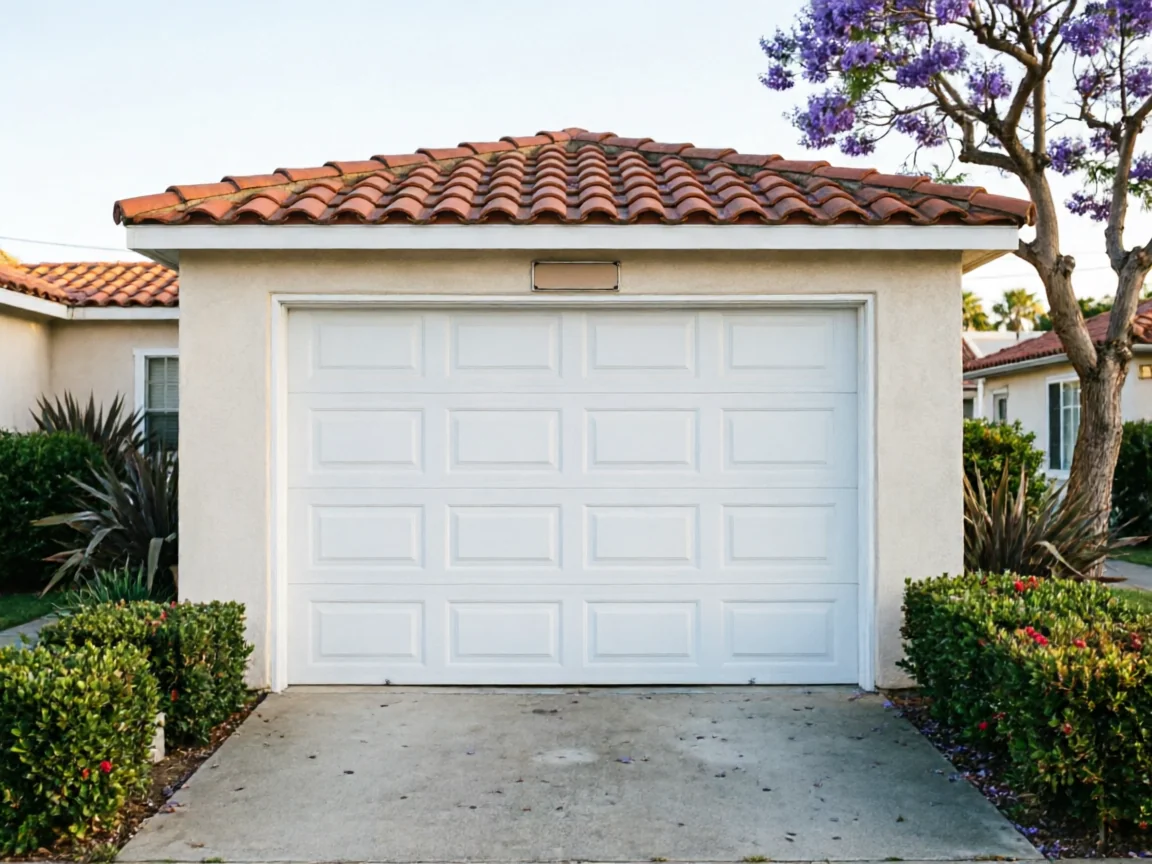
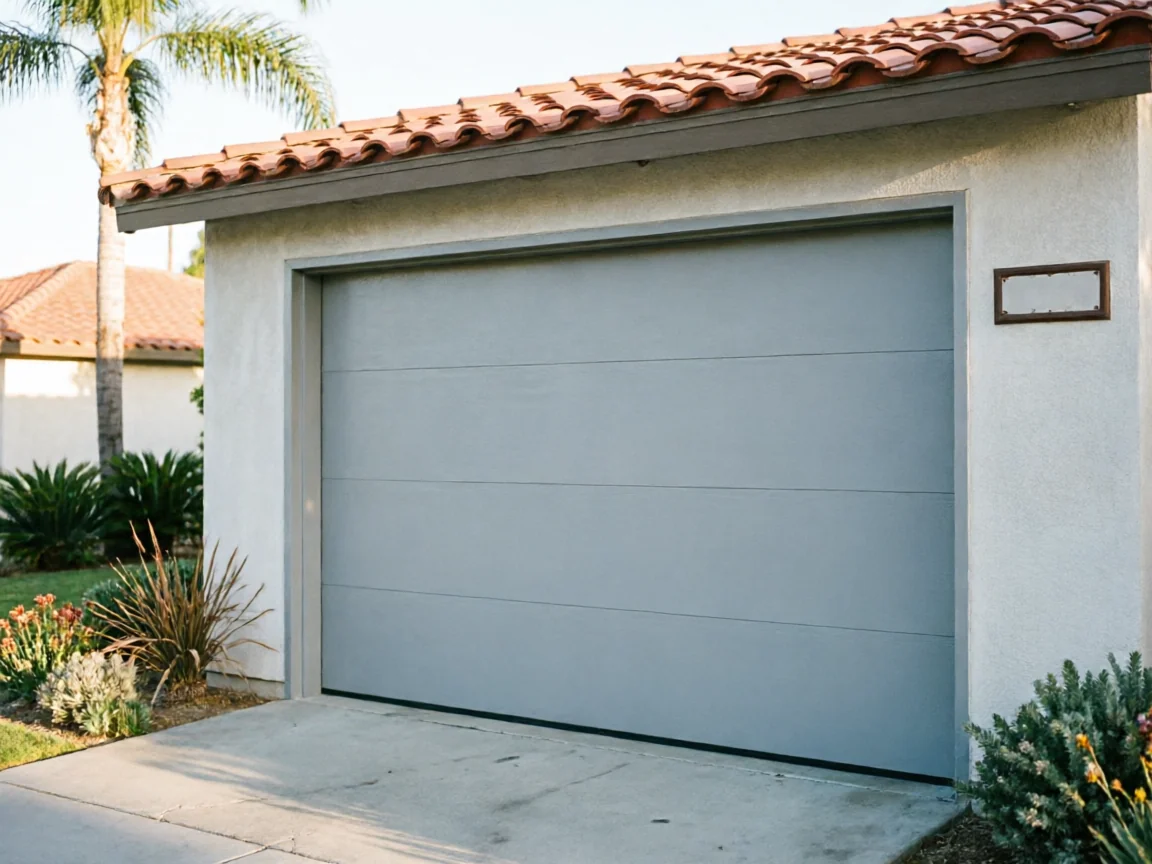
A look at doors, openers and springs we've installed and serviced across the Lincoln metro.
Where We Work
Serving Lincoln & nearby communities
Neighborhoods across the city and suburbs around the metro. Not sure if we reach you? Just ask.
Local Expertise
What to know about garage doors in Lincoln
When Repair Is Not Worth It
Most houses in Lincoln went up between 1970 and 2007, with the median build year sitting around 1981. That holds across all 22 named areas of town, whether you're a mile from Downtown Lincoln or out past Lincoln Crossing. A door from that era usually has a steel torsion spring system, a chain-drive opener, and hardware that was solid for its day but is now forty-plus years old in a lot of cases.
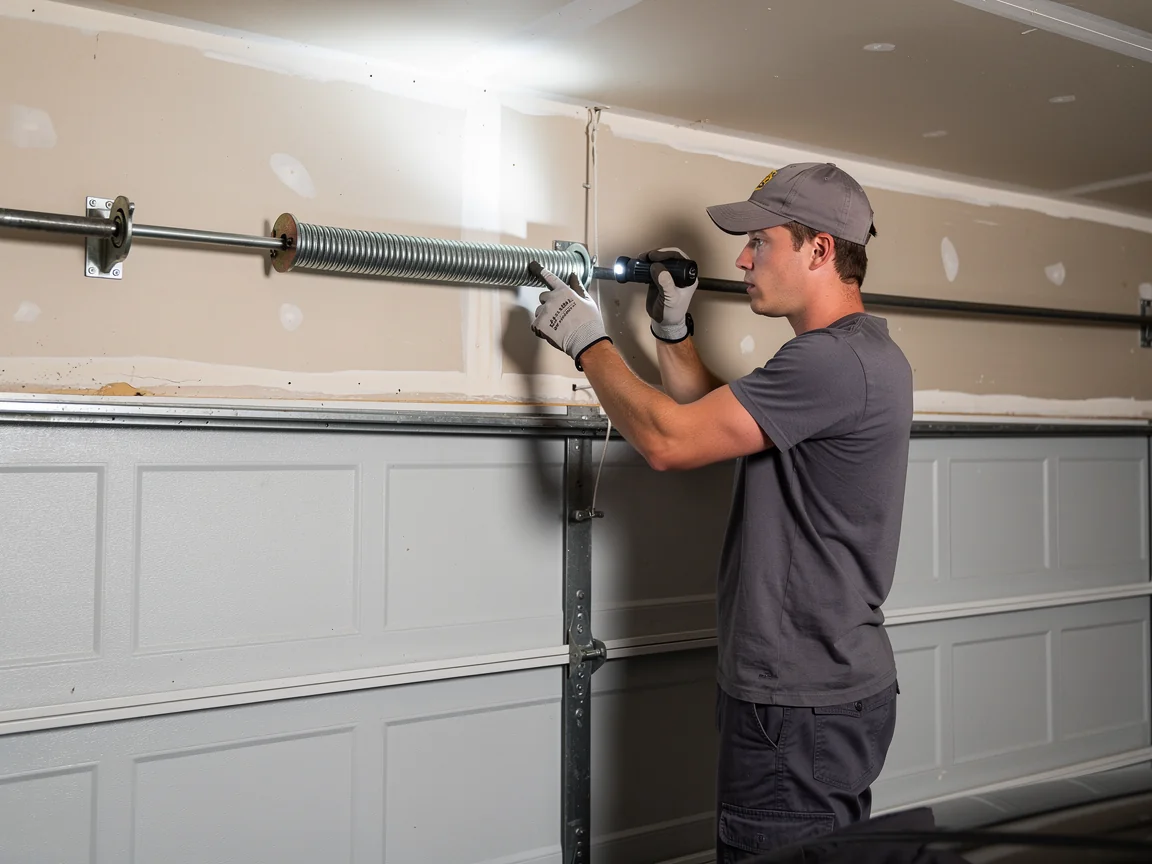
Here's the honest part: if your torsion drums are rusted through, the opener logic board is long discontinued, and the track is bent in more than one spot, we're not going to sell you three separate repairs to avoid saying the word replacement. Once a door needs a spring, new cables, new rollers, and an opener in the same visit, you're often paying more in parts and labor than a new door and opener installed together. We'll tell you when that line has been crossed instead of patching it four times.
We also won't repair a door that's structurally unsound - a bowed panel from a vehicle strike, or a frame that's pulling away from the wall. That's a replacement job, and pretending otherwise just moves the failure down the road a few months.
What You Pay For
You're paying for parts that match what's actually on your door, not a universal kit that sort of fits. A lot of garages built in the 1980s and 90s around here used torsion spring sizes and drum setups that newer big-box doors don't carry, so getting the wind and wire gauge right matters more than it would on a door installed last year.
You're also paying for diagnosis before repair. A door that won't open could be a broken spring, a failed opener capacitor, a misaligned safety sensor, or a cable that's frayed but hasn't snapped yet - each one is a different job and a different bill. We check which one it actually is before quoting, rather than quoting the most common failure and hoping that's the one you have.
Labor covers the work itself and the fact that springs under tension are not a DIY-safe repair - a 1980s-era torsion spring holds enough stored force to break bones if it's released wrong. We don't have a published price list to quote you here; every door's spring size, drum type, and opener model changes the parts cost, and we're not going to put a number in writing that doesn't hold up once we're standing in your garage.
What We Fix Most Here
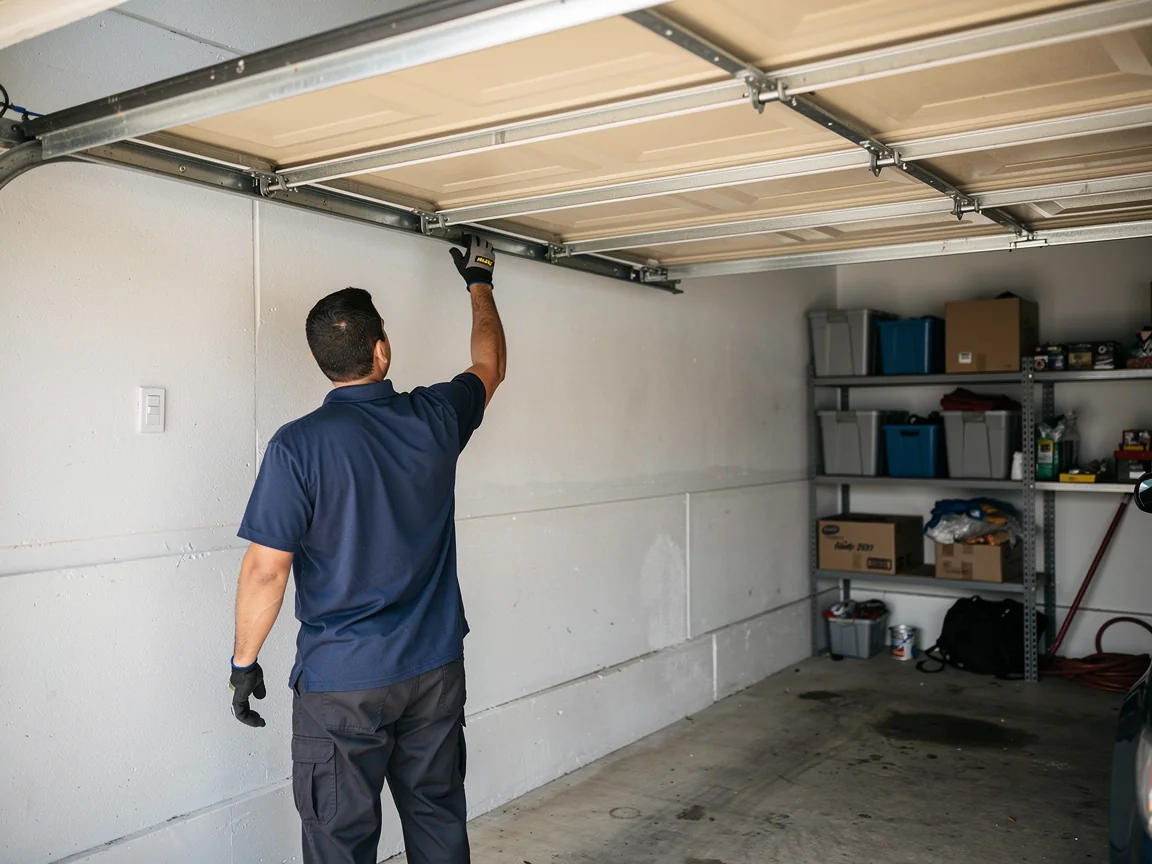
The single most common call in Lincoln is a broken torsion spring on a double door from that 1980s-to-90s building wave - steel panels, side-mounted torsion hardware, chain-drive opener. The spring does thousands of open-close cycles over a few decades and eventually fatigues and snaps, usually first thing in the morning when it's cold.
Second most common: worn rollers and a track that's slowly walked out of alignment. On original installs from that era, the rollers are often still the cheap nylon ones that came with the door, and after enough summers of heat and years of use they crack and bind in the track, which sounds like a grinding or popping noise before the door finally gets stuck half open.
Third: opener failures, particularly on units that are original to houses built in the earlier part of that 1970-2007 window. Circuit boards from that generation weren't built to handle decades of garage heat, and when they go, the symptoms look electrical even when the real problem is a worn limit switch or a stripped gear in the drive unit. We see all three of these often enough that we carry stock for the common spring sizes and roller types that match this town's housing stock, rather than ordering them after we've already opened your garage.
What Gets Built Around Here
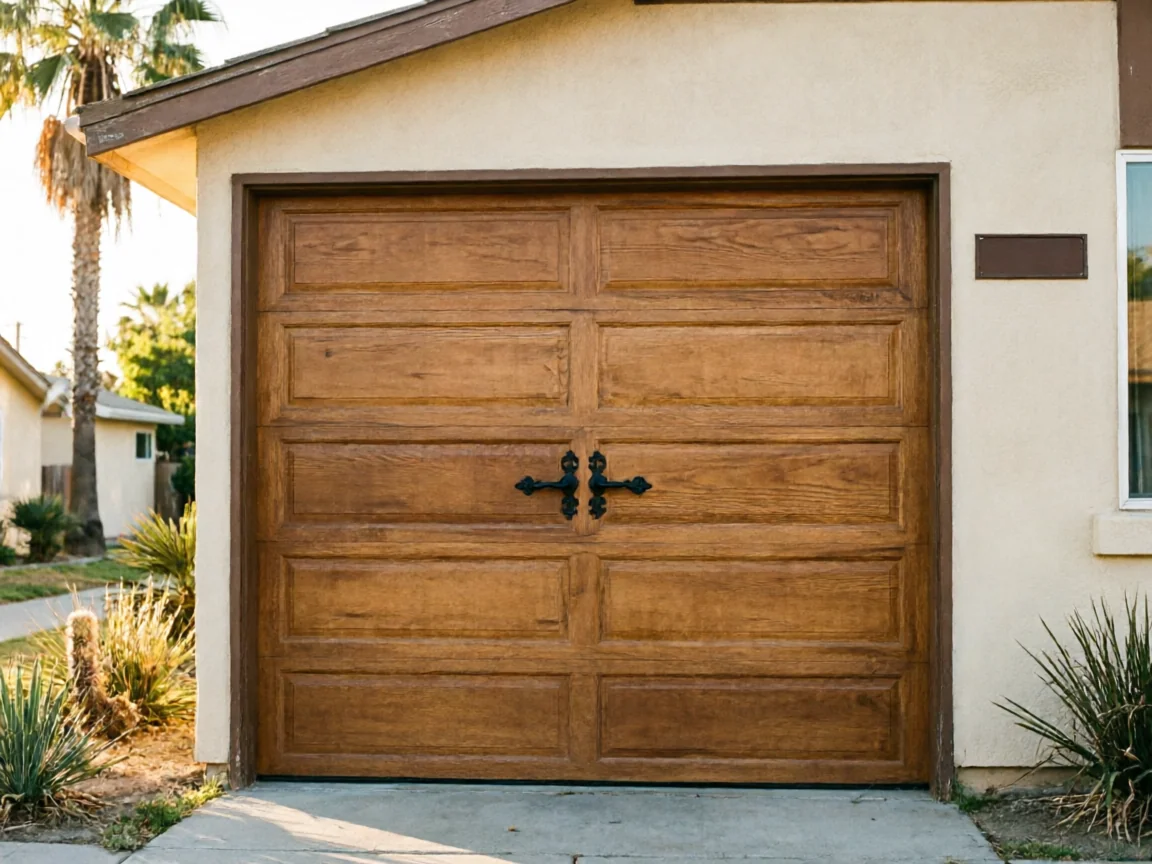
Lincoln sits in a climate band rated severe for heat, and that shows up in garage door failures in specific ways. Steel panels expand and contract through summer heat cycles, which loosens screws at the hinge points over the years and eventually shows up as sag at the panel seams. Opener motors mounted in an unventilated garage attic space run hotter than they're rated for on the worst days, and that shortens the life of the capacitor and the drive belt or chain.
Across the service area there are 107,221 households and 59,170 owner-occupied houses, the bulk of them built in that same late-1970s-to-2000s window. That means a lot of garages here share the same bones: steel sectional doors, torsion spring systems sized for a standard double opening, and openers that are now on their second or third decade of service.
With a median household income of $100,796 across the area, most owners we talk to can choose between a careful, targeted repair and a full opener or door swap, rather than being boxed into whichever option is cheapest that week. We lay out both costs and let you pick, instead of steering you toward the bigger job by default.
How the Visit Works
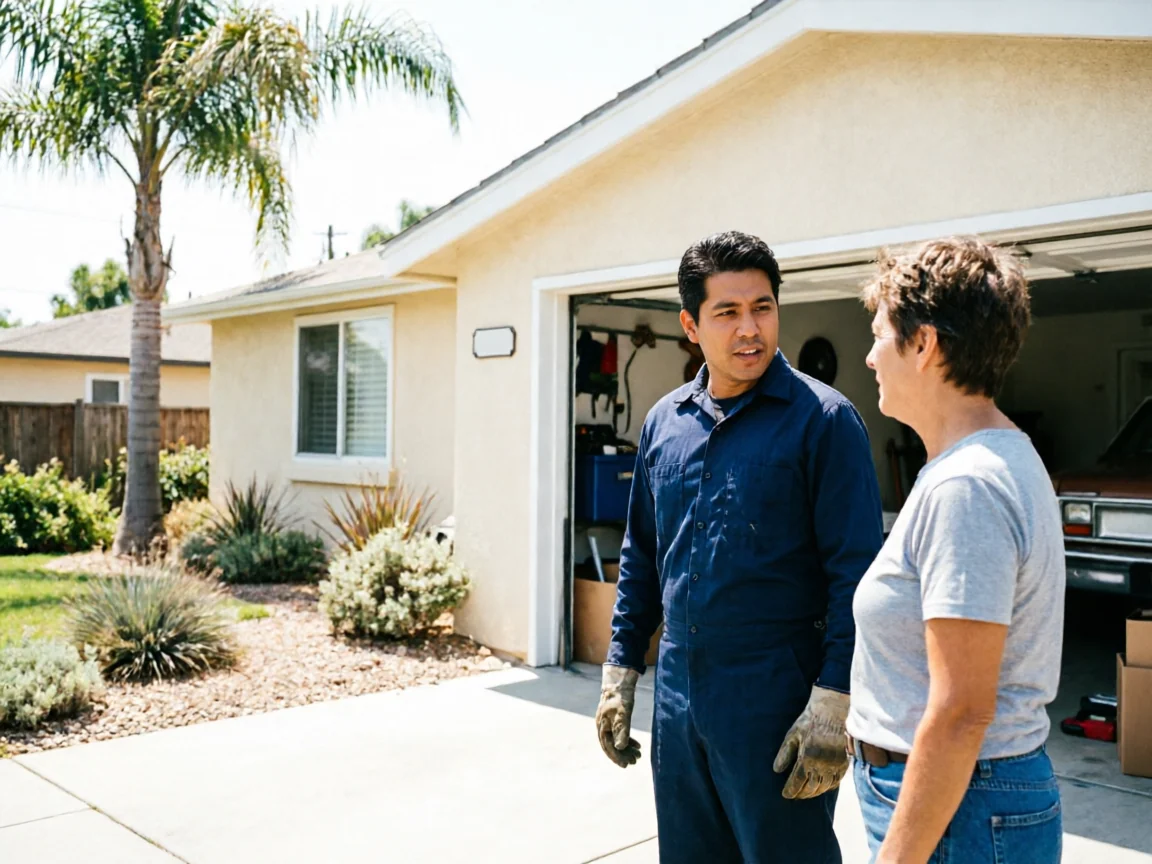
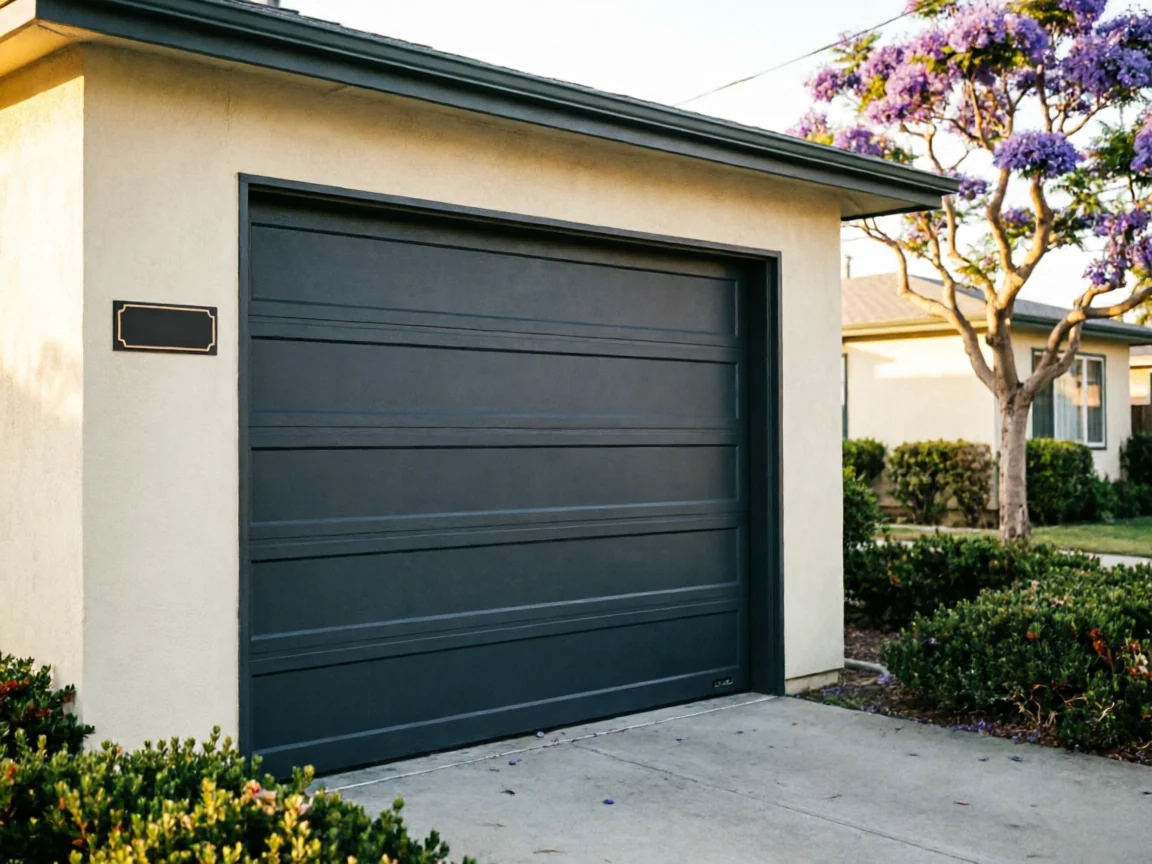
We come out, look at the door with it open and closed, and run the opener through a full cycle before touching anything. That catches things an over-the-phone description misses - a spring that's not fully broken but visibly stretched, a sensor that's aimed a few degrees off, a track bracket that's pulled loose from the framing.
Once we know what's actually wrong, we tell you the parts involved and what each piece costs before we start work, not after. If it's a straightforward spring or roller job, that often gets done the same visit. If it needs a part we don't carry on the truck - certain opener logic boards or odd-sized panel sections are the usual culprits - we tell you that up front rather than disappearing for a week without an explanation.
We test the full range of motion and the auto-reverse safety function before we call a job finished, since a door that closes but doesn't reverse properly on contact is a liability, not a completed repair. If the job turns out to be bigger than what justified the trip - say a spring call turns into a door that needs replacing - we'll say so on site instead of letting it become a second visit and a second bill.
Good to Know
Frequently asked questions
Why do so many Lincoln garages have the same type of spring problem?
A large share of houses here were built between 1970 and 2007, with a median around 1981, and most used the same steel torsion spring setup for standard double-door openings. Springs in that era's hardware have now had decades of cycles, so they're failing around the same age across a lot of the same neighborhoods at once.
Will summer heat actually damage my garage door?
Lincoln's climate band is rated severe for heat, and that matters for garage doors specifically - steel panels expand and loosen hardware over repeated heat cycles, and opener motors in unventilated garages run hotter than they're built for. It shows up as sagging panel seams and shortened opener life more than sudden breakage.
Do you give a price before coming out?
Not a firm one. Spring size, drum type, and opener model vary even among houses built the same year, so we diagnose on site before quoting. We'll tell you the likely range of jobs it could be before we arrive, and the exact parts cost once we've actually looked at the door.
Is it ever better to replace than repair?
Yes - if the torsion drums are rusted, the opener board is obsolete, and the track is bent in multiple places, repair costs stack up past what a new door and opener would run. We'll say so directly rather than running up a repair bill on a door that's past the point it's worth saving.
Need a garage door fixed in Lincoln?
Call now or request a quote - tell us what the door is doing and where you are.